







Digital Stalking in Relationships: 5 Signs Digital Behavior Has Become Controlling
Technology helps us stay connected to the people we care about. But when texting, location sharing, or social media becomes a way to constantly monitor, pressure, intimidate, or control someone, those digital behaviors may be signs of something unhealthy.
What is digital stalking?
Digital stalking, or cyberstalking, is any repeated or unwanted contact through the internet or other technology that makes you feel unsafe.
According to the CDC, about 1 in 5 women and 1 in 10 men have experienced stalking in their lifetime, and technology can be one of the tools used to carry it out. When looking at the study from the ADL Center for Technology and Society, a research center focused on anti-hate, they found that 76% of transgender people have been harassed online.
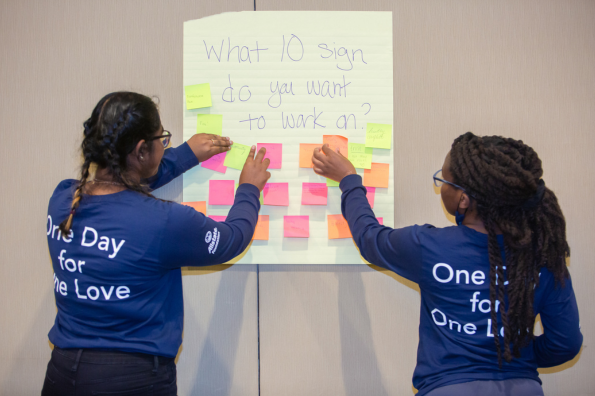
So how can you tell the difference between connection and control? Here are five relationship behaviors to pay attention to using One Love’s 10 signs of a healthy and unhealthy relationship.
What are the warning signs of digital stalking?
1. Intensity: Does communication feel overwhelming?
Getting a text from someone you care about can feel exciting. Getting 30 texts, repeated calls, FaceTimes, DMs, or messages across multiple apps because you didn’t respond right away…not so much. Repeated unwanted calls, emails, texts, and social media messages are also recognized digital stalking tactics.
Ask yourself: Do I feel like I can put my phone down without worrying about how my partner will react?
2. Manipulation: Do you feel threatened or controlled?
Manipulation can happen digitally, too. Someone might threaten to post private information, share intimate/explicit images, impersonate you online, or embarrass you unless you do what they want.
A threat like “answer me or I’ll post this” isn’t communication. It’s an attempt to control you.
Healthy relationships should make it possible to say no without fearing retaliation.
3. Independence: Does location sharing feel like support or surveillance?
Sharing your location with a partner or friend isn’t automatically unhealthy. Maybe you share it when traveling home late, meeting up at a crowded event, or because having that safety net makes both of you feel comfortable.
A red flag to look out for is if your boundaries have been crossed.
Is location sharing something you agreed to, or something you felt pressured to provide? Does your partner use it only when needed, or are they checking your every move and questioning where you are, who you’re with and/or what you’re doing?
Independence means you can still make choices, spend time with other people, and move through your day without feeling watched.
4. Comfortable Pace: What are your digital boundaries?
Every relationship needs boundaries, and that includes digital ones.
Maybe you don’t want to share passwords. Or you don’t want your partner to post photos of you without asking. Perhaps you need to step away from your phone each night before bed.
A comfortable pace means you have time to communicate those boundaries and that the other person respects them.
Ask yourself: Have I been able to express my boundaries? And when I do, are they respected?
If someone pressures you to share passwords or location early in a relationship, repeatedly pushes past something you’ve said no to, or tells you that having privacy means you’re hiding something, the relationship may be moving at a pace that doesn’t feel comfortable.
5. Trust: Does something in the relationship feel off?
If someone’s digital behavior is making you uncomfortable, fearful, or constantly on edge, trust that gut feeling. You don’t need to wait for a situation to escalate to digital stalking before seeking support or ending the relationship.
Depending on what feels safest, you might leave or mute a group chat, block an account, change passwords, turn off location sharing, or step away from a social platform.
If you are receiving threatening or harassing messages, consider documenting them before deleting or blocking anything. Screenshots and other records may be helpful if you decide to report the behavior later.
If you believe you are in immediate danger, contact local law enforcement. For additional support, check out our national resource list.
Next steps: I’m in an unhealthy relationship, now what?
Technology is part of most of our relationships. But access to technology should never feel like direct access to you.
If someone repeatedly ignores your boundaries, uses technology to monitor you, overwhelms you with unwanted contact, or threatens you to maintain control, it may be time to reach out for support or end the relationship.
If you’re thinking about ending a relationship and are worried about online stalking, creating a plan can help. Log into One Love’s Education Center and access our free Breakup Planning Guide in the Resource Library to think through your next steps and identify people who can support you.
Browse by Category





Stalking: Don't Confuse the Signs with Love
Written by Writer’s Corps member Carrie Manner Pop culture has a bad habit of presenting stalking as normal dating behavior.…

How to Protect Yourself in Digital Relationships
Written by Writer’s Corps member Rachel Kearns Enough is enough.…

