





Nonconsensual Intimate Imagery and Deepfake Nudes Cause Real Harm
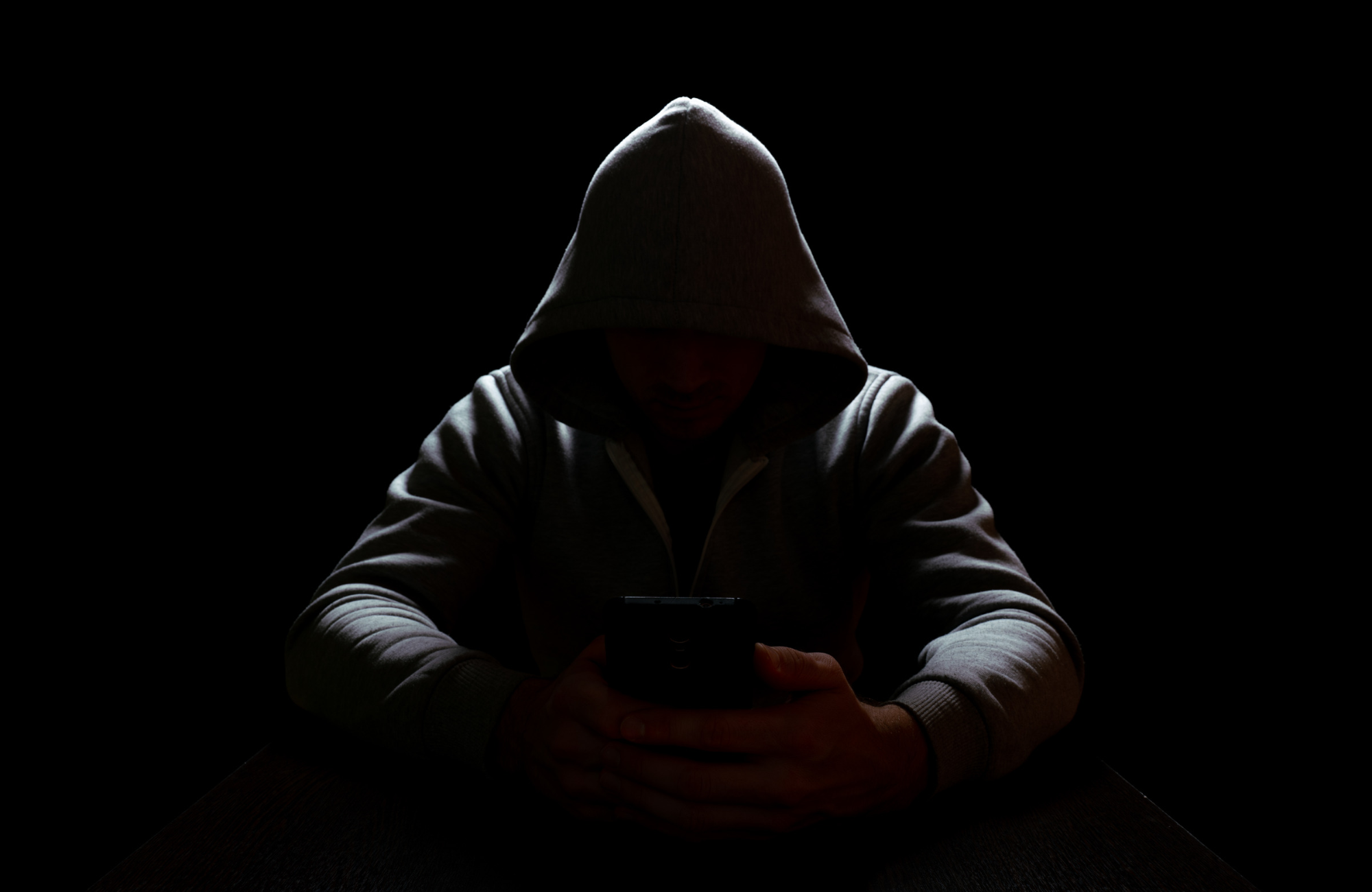
You’re lying in bed, about to fall asleep, when your phone lights up. A message from an unknown sender appears. You open it to see a naked photo that looks like you, along with a demand: Wire $500 to an account or the image will be sent to everyone you know. You have 24 hours. The clock starts now.
Your heart begins to race. How did they get this? Who else has seen it? How will I get the money? Did I take this nude? Will anyone believe me when I say it isn’t real?
You look at the messages again, trying to understand what you’re seeing. The face looks like yours, but you don’t remember taking the photo. Maybe an ex saved something without your permission. Maybe they’re AI-generated nudes. But right now, none of those possibilities stop your mind from racing. The sender has your name, a nude image that looks like you, and apparently a list of everyone you know.
Scenarios like this are becoming increasingly common: 1 in 3 people report experiencing image-based abuse¹, and 1 in 17 teens have been directly victimized by AI-generated deepfake images.²
Deepfake nudes may be fabricated, but the loss of control, fear, and harm they cause are real. With only a few photographs and a free AI tool, someone can create realistic explicit images that depict a real person, even if they’ve never taken or shared an intimate image.
So, if the nudes aren’t real, why can they still cause so much damage?
5 harms that can happen as the result of deepfake nudes
1. Deepfakes violate consent
You look at the image again. The face is yours, but the body isn’t. Someone took your identity, maybe from a school photo, a FaceTime screenshot, or a social media post, and used it to create explicit images.
Deepfake nudes take a person’s face, body, or identity and place it into sexual content without their consent. They may be created for sexual gratification, sextortion, bullying, or humiliation. The person responsible may claim that no one was physically harmed or that the images were “just a joke,” but deepfakes aren’t funny, and the impact can be deeply violating.
Consent is not only about whether someone agreed to take a photo, explicit or otherwise. It’s also about whether they agreed for their likeness to be sexualized, altered, and shared.
Deepfake nudes and other forms of nonconsensual intimate imagery can also be used to maintain power and control in a relationship. Pressuring a partner to send explicit images is also manipulation. Consent should never involve demands, guilt, or coercion.
2. Deepfakes can be used for sextortion
You read the demand again: $500 in 24 hours, or the image gets sent to everyone you know. Paying might not make it disappear, but refusing could mean the sender follows through. Either way, you feel trapped and out of control.
The sender’s demand is sextortion, a form of blackmail where someone threatens to share intimate images or videos to demand money, additional sexual content, sexual contact, or something else from the person being targeted. Sextorters may obtain real images by catfishing someone, secretly recording, hacking accounts or devices, or stealing data, or by fabricating deepfake nudes using AI “nudify” tools.
RELATED: 6 Things to Consider Before Sending Nudes
The person being targeted may know the images are AI-generated, but they cannot control whether other people will believe them. This uncertainty gives the person responsible another way to control them.
If you or someone you know is experiencing sextortion, find immediate steps and support resources at the end of this article.
3. Deepfake nudes cause real emotional harm
You mind races as the deadline gets closer. You know the image is fake, but your hands are still shaking. You can’t stop wondering who else has seen it and what happens next.
AI-generated nudes and deepfake pornography may portray something that never happened, but the person targeted must still cope with other people seeing a sexualized image that looks like them.
Whether the image is shared with others or not, people targeted may experience fear, humiliation, anxiety, depression, isolation, unwanted sexual attention, and a profound loss of control over their body or identity.
That’s why telling a friend, “Don’t worry, it’s not real,” does not provide the reassurance we think it does. It may minimize the violation and make someone feel like they’re overreacting.
A more supportive response would be:
“This should have never happened to you. It isn’t your fault and your feelings are completely valid. I’m here to help however you’d like.”
RELATED: 5 Ways Your Words Can Empower Your Friend
4. Sharing deepfake nudes normalizes abuse and fuels victim-blaming
You couldn’t get the money together in time, and the image starts spreading. It could be buried in group chats, saved in “My Eyes Only” folders, or posted online. Something depicting your identity is circulating beyond your control, and you have no way of knowing who has seen it or where it’ll appear next.
When deepfake nudes are liked, shared, searched for, or treated as gossip, it contributes to a culture where another person’s sexual violation is a form of entertainment.
And somehow, the questions turn on them: Why did they post those photos? Was there account private? Why didn’t they report or block the account sooner? The implication is always the same: blame the person harmed, not the person responsible.
But let’s be very clear: existing in public and digital spaces is not consent to be digitally undressed or have your identity exploited. Responsibility lies with those who create, threaten to share, or distribute deepfake nudes, and to anyone who knowingly helps them spread.
5. Fake nudes can damage real relationships
Now you’re waiting for the messages from people you know. Will your partner believe you? Will your family and friends look at you differently?
Fake nudes can spread much faster than the truth.
By the time someone explains that the images are AI-generated, they may have already reached friends, relatives, or a partner. If it feels safe to do so, tell people you trust about the threat and let them know that they may receive fabricated images or videos depicting you.
The person targeted may face doubt, judgement, conflict, isolation, and pressure to repeatedly defend themselves—all because of sexual content they never consented to create.
The Image May Be Fake. The Harm Is Real.
The person watching the clock run down, wondering who has seen the image and how people will react, doesn’t need to hear that it’s “only fake.” They need be believed and supported. If this happens to you, remember that you did not cause it by sharing a photo, using social media, trusting someone, or simply existing online, and you don’t need to face it alone.
What To Do if You’re Being Sextorted
If someone is sextorting you:
- Do not pay or send additional images. Paying does not guarantee the person will delete the photo or stop making demands.
- Save screenshots, usernames, messages, payment demands, and other evidence.
- Report the account through the platform’s safety tools.
- After saving the evidence, stop communicating and block the account.
- Tell someone you trust. If you are under 18, involve a trusted adult.
- Report the threat to local law enforcement or the FBI at tips.fbi.gov or 1-800-CALL-FBI, or contact your nearest FBI field office.
- If you are under 18, report a tip online at NCMEC CyberTipline, call 1-800-THE-LOST (1-800-843-5678), or submit a report online.
- If an image has been shared, Take It Down can help remove images taken when the person pictured was under 18. StopNCII.org can proactively prevent the non-consensual sharing of adults (18+) intimate images online.
Taking action can feel overwhelming, but you do not have to do everything at once. Start with one step and reach out to someone you trust for support. You deserve to feel safe, believed, and in control of your own story.
Browse by Category




Stalking: Don't Confuse the Signs with Love
Written by Writer’s Corps member Carrie Manner Pop culture has a bad habit of presenting stalking as normal dating behavior.…
How to Protect Yourself in Digital Relationships
Written by Writer’s Corps member Rachel Kearns Enough is enough.…

